Helping Kids Learn to Tell the Time: Clock Games & Fullscreen Practice Clocks
A learn to tell time app kids actually want to open usually needs one of two things: a game wrapped around the maths, or a big, clear clock face they can watch and copy. I've built apps for both approaches, plus a timetable tool for once the concept has clicked and it's time to plan an actual school week.
None of these were designed as a matching set, but they line up well for a parent or teacher working through time and schedules with a child, from first learning what an hour is to filling in a weekly timetable.
A Learn to Tell Time App Kids Won't Get Bored Of
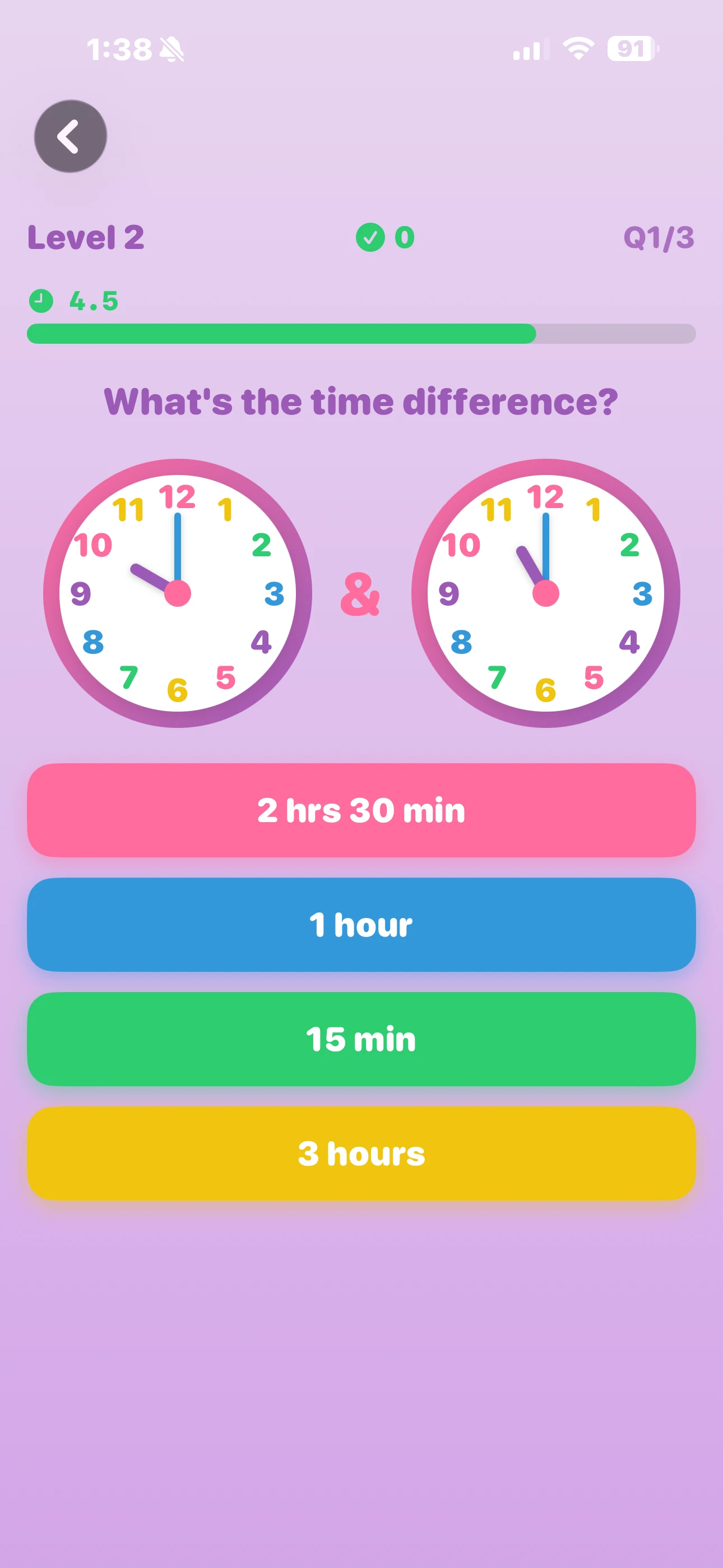
Time difference — how many hours between two clocks, or how long until an event — is one of the trickier parts of learning to tell time, because it's really subtraction wearing a clock costume.
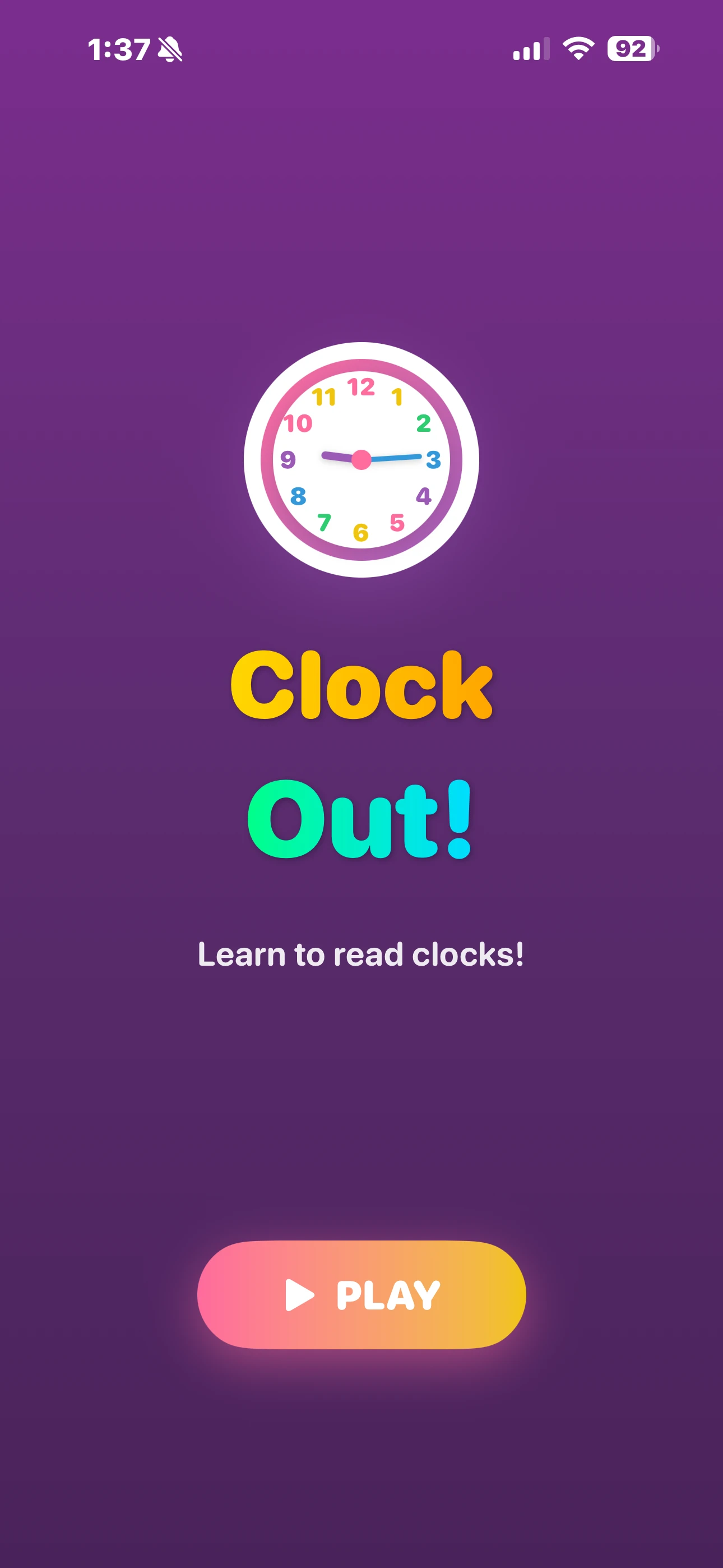
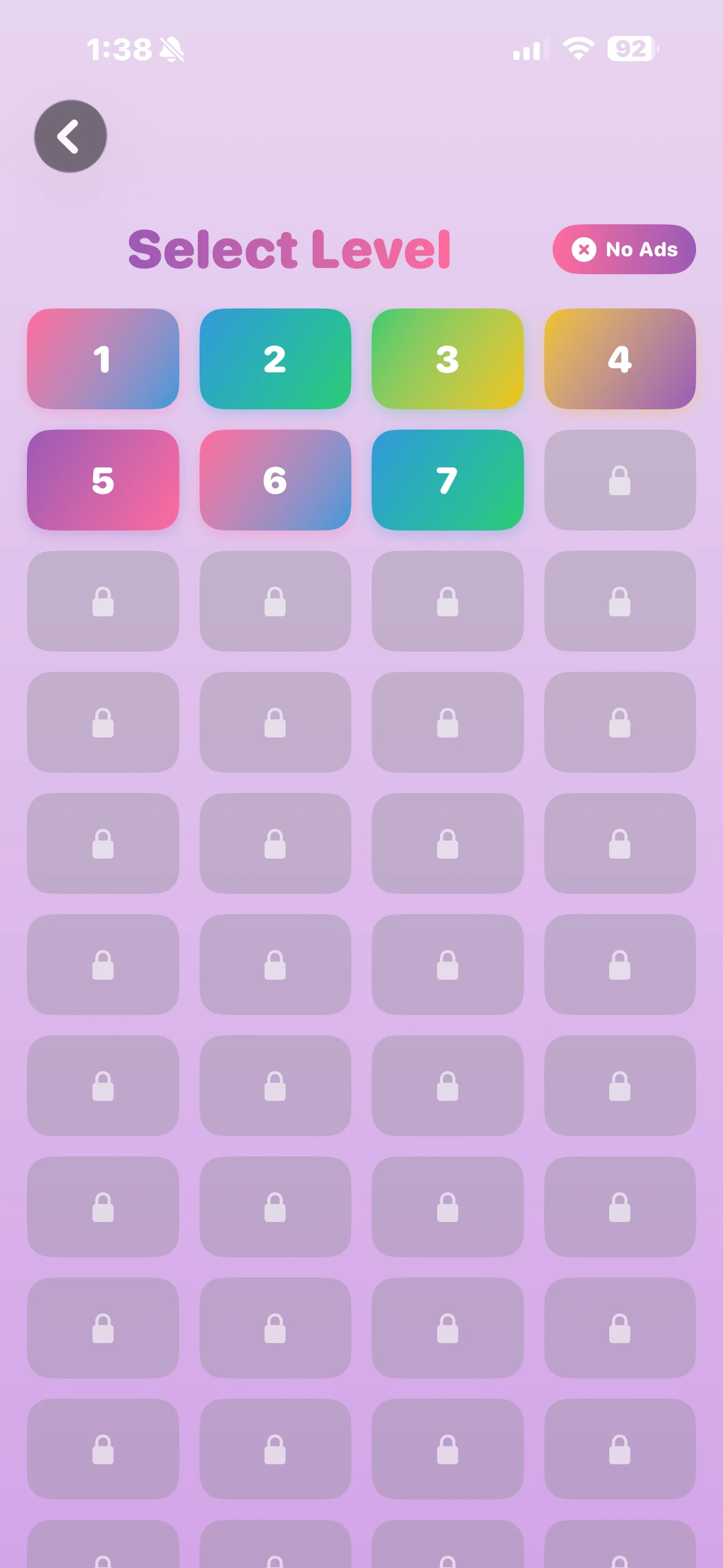
Clock Out is built specifically around learning time difference through fun math games rather than static worksheets. Instead of just reading a clock face, kids work out gaps between times, which is closer to how the skill actually gets used later — working out how long until dinner or how many hours until a trip. It turns a genuinely fiddly maths concept into something closer to a puzzle.
A Clock Face Kids Can Watch and Learn From
Before time difference makes sense, a child needs a clear, reliable clock face to watch — ideally one with an actual sweeping seconds hand, not a jumpy digital tick.
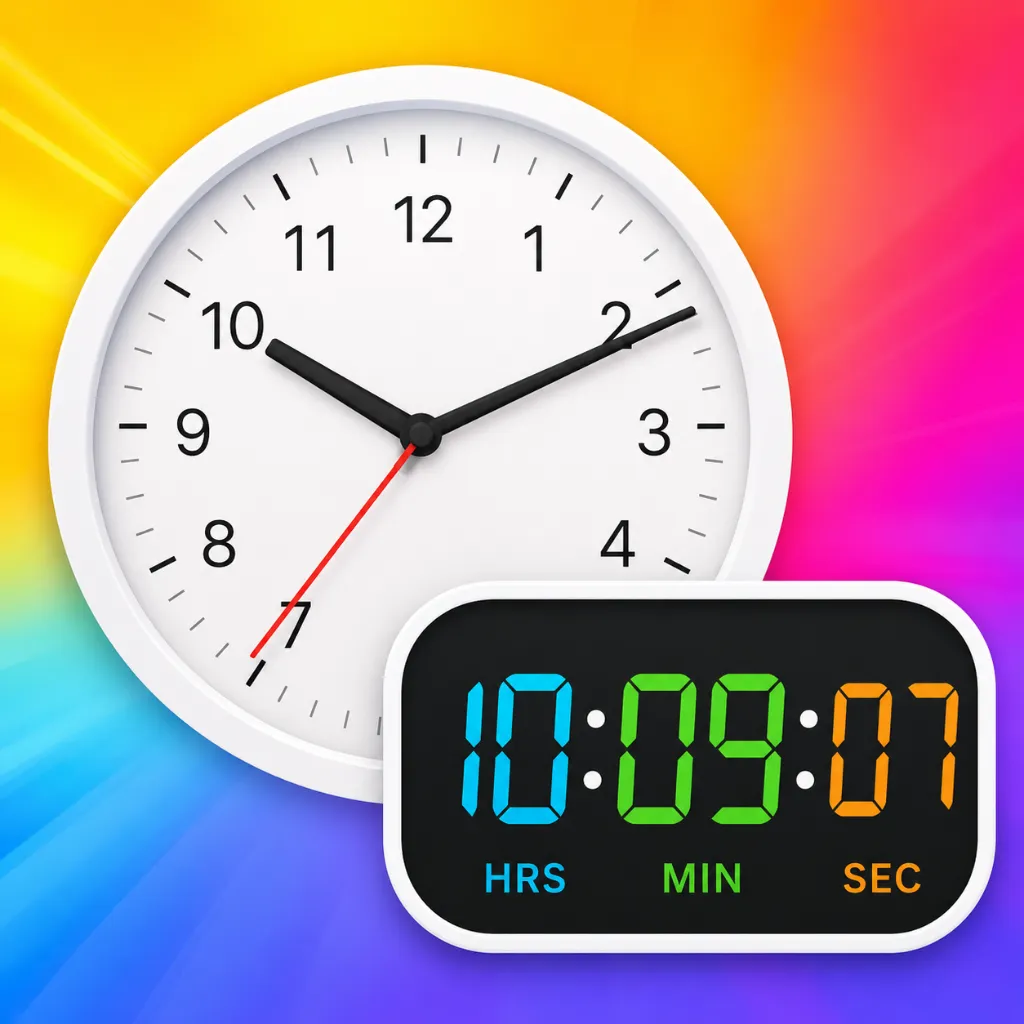
2 Clocks turns a phone or iPad screen into a fullscreen analog or digital clock with a genuine sweeping seconds hand, and there are fifteen faces to switch between plus a two-timezone widget for the Home Screen. It's free with ads, and a one-time $2.99 purchase removes them and unlocks every face. As a plain, always-visible clock face, it's a good companion for practicing analog reading.


Turning the Skill Into a Weekly Timetable
Once telling time is solid, the next practical step for a student is planning a week around it.
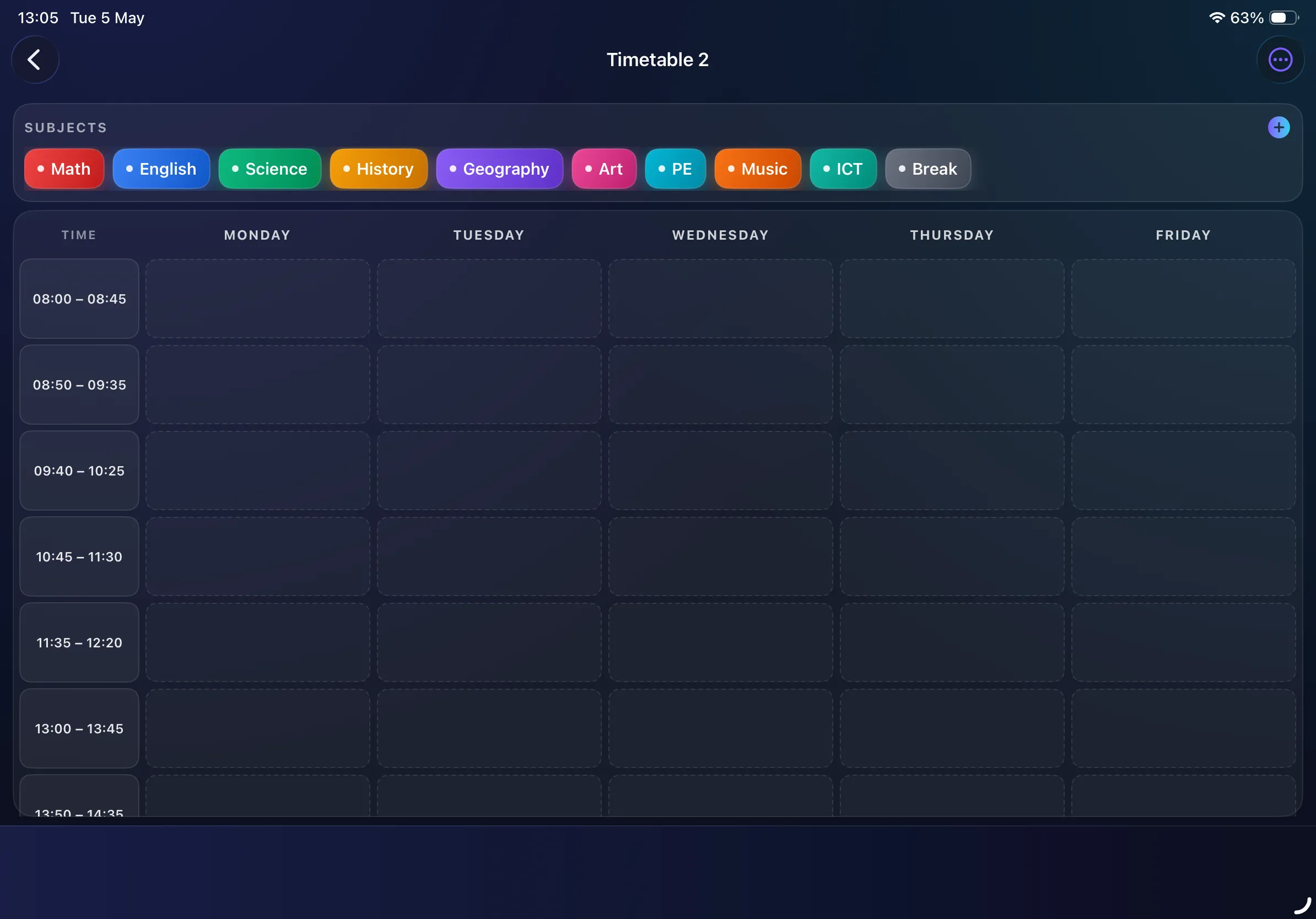
Days Timetable is a free, landscape-first app for building a colourful weekly timetable, customising subjects, and exporting the result as a PDF. It's aimed at students and teachers rather than younger kids specifically, but it's a natural next step after the clock and time-difference apps — putting the concept of hours and time gaps to use in an actual weekly plan.
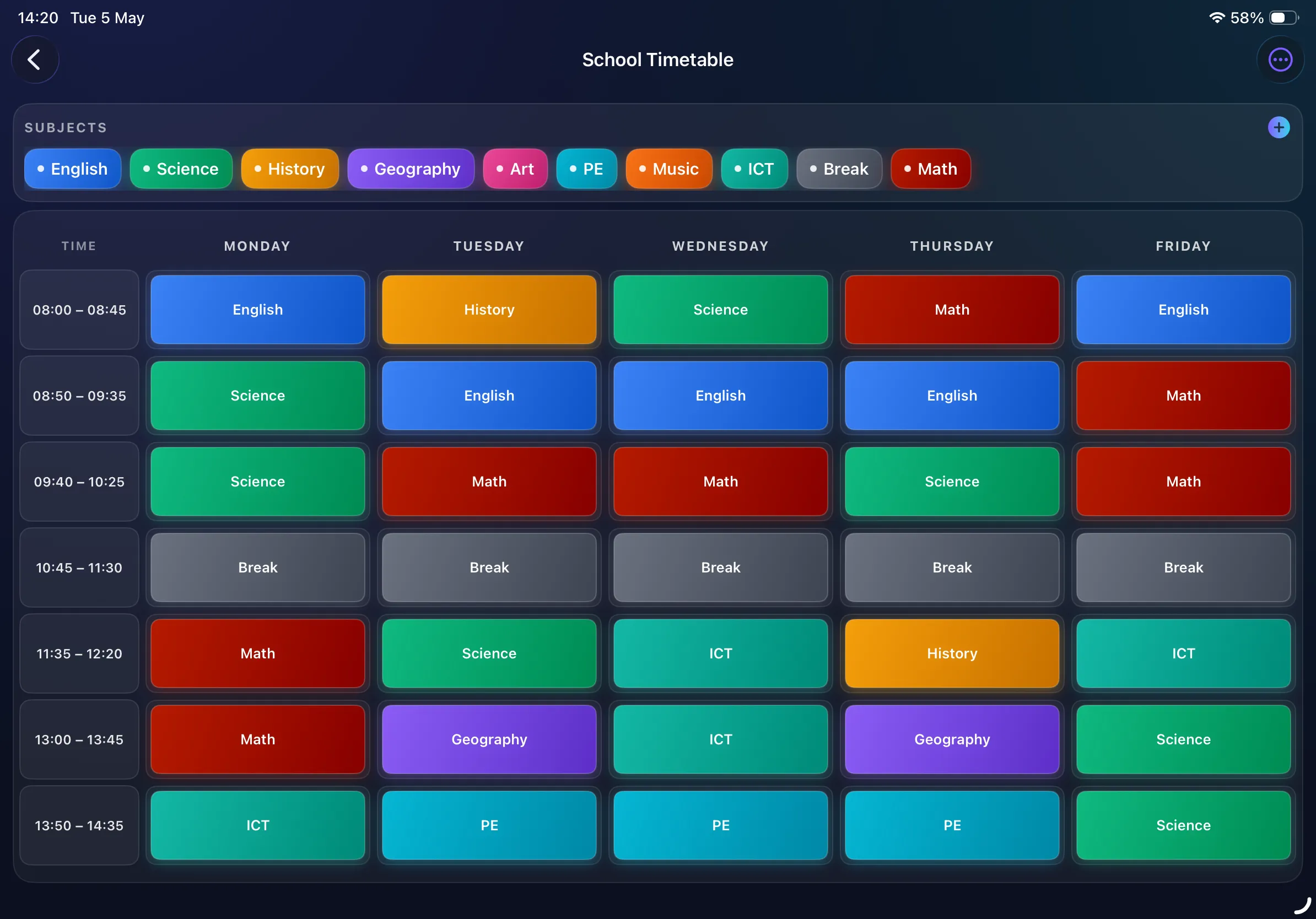
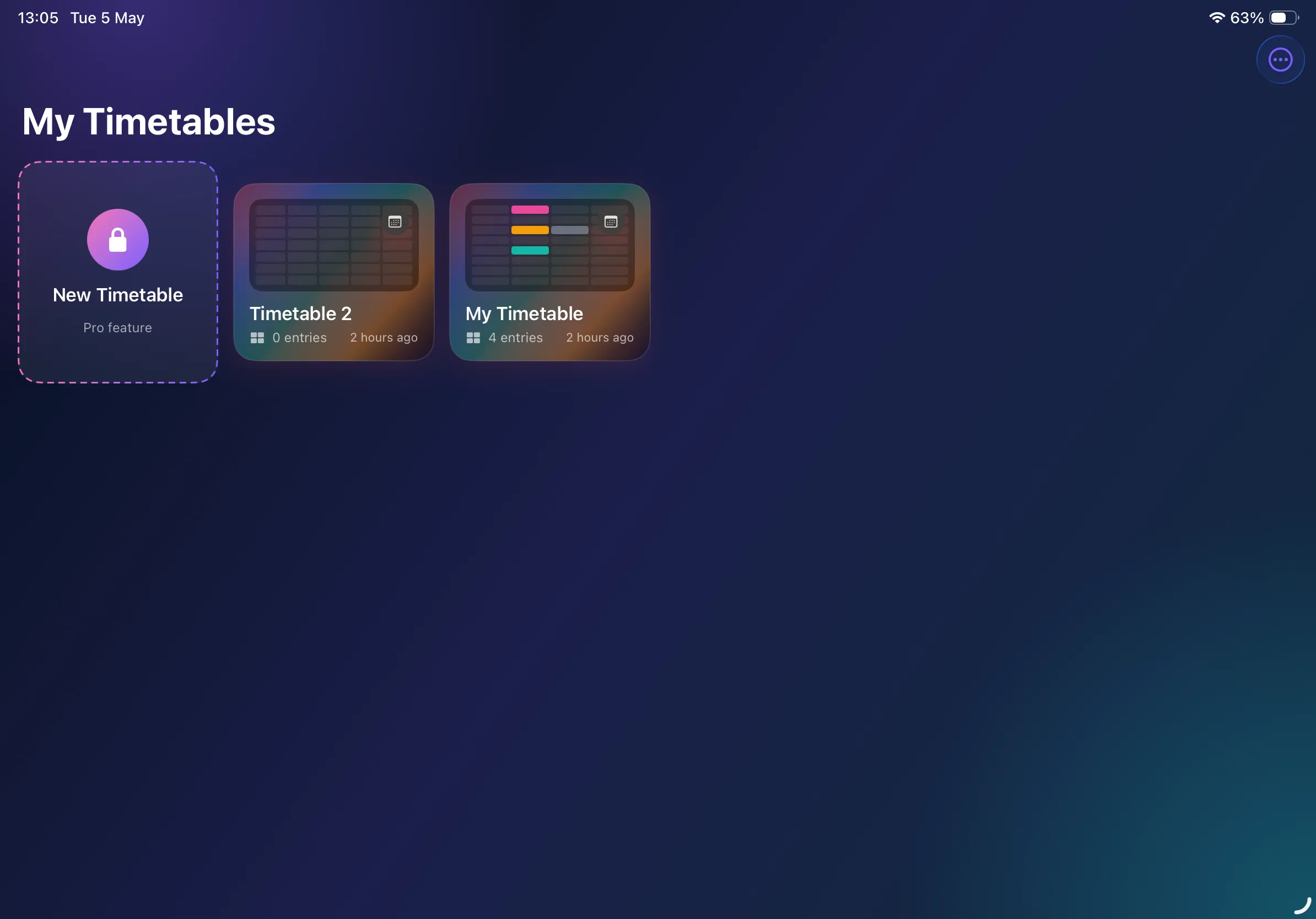
I build all three of these apps, and they weren't planned as a bundle — they just happen to cover the whole arc from first learning an hour to planning a school week around one. Start with Clock Out if time difference is the sticking point, or 2 Clocks if it's just reading a face that needs practice.
Frequently asked questions
What's a good learn to tell time app for kids that isn't just flashcards?
Clock Out wraps the harder skill of working out time differences into fun math games, while 2 Clocks gives kids a clear, fullscreen analog face with a real seconds hand to watch and practice reading.
Is there a free app for building a weekly school timetable?
Days Timetable is free, landscape-first, and lets students or teachers build a colourful weekly timetable and export it as a PDF.